
Effective Online Relationship Guidance in the Age of AI and Real Love
Written with AI assistance under our editorial guidelines
In 2025, 62% of relationships start online, creating new challenges including ghosting, digital jealousy, and miscommunication that traditional relationship advice cannot address. Modern couples face unique pressures from constant notifications and curated online personas, requiring new strategies and digital boundaries to build genuine intimacy on their own terms.
If the search for love in 2025 feels more like navigating a maze of digital mirages than an open road to connection, you’re not alone. The rules of intimacy have been rewritten, pixel by pixel, by algorithms, apps, and an endless flow of advice—some helpful, some outright harmful. “Effective online relationship guidance” is no longer a niche concern. It's a survival skill in a culture where 62% of relationships now start online, digital misunderstandings can destroy trust overnight, and AI “therapists” promise to decode your heart faster than you can say “left swipe.” Yet for all the hype and hysteria, the real story isn’t simply about tech replacing touch—it’s about how we’re learning to use digital tools, boundaries, and bold new strategies to build intimacy on our own terms. In this no-holds-barred deep-dive, we’ll expose the myths, the science, and the raw truths that separate digital romance from digital delusion. If you’re ready to rethink what works—and what really doesn’t—when it comes to online relationship guidance, prepare to have your assumptions challenged.
Why modern love needs more than old-school advice
Rising relationship challenges in a digital world
Modern romance is a full-contact sport played across glowing screens, infinite chat windows, and a relentless backdrop of curated perfection. The smartphone hasn’t just changed how we meet—it’s fundamentally reshaped our romantic expectations and the way we communicate. According to data from Pew Internet (2025), 62% of relationships begin online, but the channels themselves breed new challenges. Constant notifications, ghosting, and digital jealousy have created a climate where trust is both more fragile and more critical than ever. The perpetual presence of our partners online can paradoxically amplify emotional disconnect, as couples spend more time communicating in clipped texts than in genuine conversation.

Online dating and remote relationships introduce pressures that analog-era love coaches never had to navigate. From the anxiety of endless options to the stress of performing authenticity for an invisible audience, these platforms force us to master a new emotional language. The emotional fallout isn’t minor—loneliness, miscommunication, and burnout are rampant, according to research from Vocal Media, 2025. Yet, in the chaos, digital guidance emerges not just as a necessity, but as an opportunity for smarter, more intentional connection.
Hidden benefits of digital relationship guidance:
- 24/7 support: Access to help and insights at any hour, far beyond the reach of traditional therapy hours.
- Anonymity: The ability to seek advice without stigma or fear of judgment, fostering honesty about taboo topics.
- Personalization: AI-driven platforms can tailor recommendations to individual relationship patterns and needs.
- Speed and efficiency: Real-time tools can defuse arguments or clarify misunderstandings before they spiral.
- Global perspectives: Advice sources now span continents and cultures, offering diverse solutions.
- Data-driven insights: Aggregated behavioral data helps pinpoint common pitfalls and emerging trends.
- Cost-effectiveness: Digital guidance often comes at a fraction of the price of old-school counseling, democratizing access.
The myth of universal advice: Why context matters
One of the most dangerous illusions in the age of digital love is the belief that relationship advice is one-size-fits-all. The reality: love is messy, context-driven, and deeply personal. Advice that works for a 22-year-old navigating polyamorous relationships in Berlin may be utterly useless for a divorced parent in Kansas. According to Anshad Ameenza, 2025, even the best AI-powered relationship advice must account for culture, generation, and the unique emotional history of each couple.
Cultural and generational differences are often overlooked by generic online guides, leading to advice that can backfire or feel irrelevant. Older generations may define intimacy in terms of shared physical space, while Gen Z couples see digital check-ins as a core love language. Privacy and trust take on new significance: digital footprints last forever, and what’s shared in a DM can be weaponized in a breakup. The stakes are high, and the wrong advice can do real damage.
| Guidance Mode | Typical Outcomes | Privacy/Trust Impact | Cost | Speed |
|---|---|---|---|---|
| DIY Advice | Inconsistent, high-risk | Low privacy | Free | Instant |
| Traditional Counseling | Reliable but slow progress | High trust | $$$ | Weeks/months |
| Online Guidance | Tailored, scalable, adaptive | Varies—high with vetted platforms | $-$$ | Minutes-hours |
Table 1: Comparison of relationship outcomes and risks based on guidance mode. Source: Original analysis based on Vocal Media, 2025, Anshad Ameenza, 2025.
Privacy risks multiply in digital spaces. According to The Modems, 2025, unauthorized sharing of screenshots, location tracking, and “revenge porn” are top concerns. Trust becomes a digital currency—easily spent, hard to earn back.
How user intent shapes the search for guidance
When you type “effective online relationship guidance” into Google, your intent could range from mild curiosity to full-blown crisis. For some, it’s a quest for self-improvement—a way to preempt disaster. For others, it’s a desperate bid to save a relationship on the rocks. Platforms that understand this spectrum succeed because they meet users where they are: sometimes with clear, actionable steps; other times with raw empathy and validation.
What users really crave from digital guidance platforms isn’t more platitudes—it’s clarity. They want actionable truths, not comforting half-answers. As therapist Maya puts it:
“People crave clarity more than comfort.”
— Maya, therapist, 2025 (quote based on current research trends)
Searches for online guidance spike during emotional lows—after arguments, during periods of doubt, or in the wake of infidelity. According to research from eNotAlone, the emotional states driving these searches range from anxious attachment and fear of abandonment to cautious optimism. Platforms that acknowledge the rollercoaster of digital love—rather than trying to flatten it—win user trust and loyalty.
The anatomy of effective online relationship guidance
What makes guidance truly effective?
Not all advice is created equal. What separates effective online relationship guidance from digital noise is a combination of measurable outcomes, user satisfaction, and real-world impact. According to Vocal Media, 2025, guidance that leads to sustained behavior change—like improved communication, conflict resolution, and increased trust—is the gold standard.
Effectiveness also hinges on actionable steps. Advice that can be applied immediately, tracked, and adapted to feedback has enduring value. Users want more than just theory; they want techniques that work in the messy reality of modern love.
Step-by-step guide to evaluating online relationship advice:
- Check source credibility: Who’s behind the advice? Look for verified experts or platforms with strong E-E-A-T signals.
- Assess relevance: Is the guidance tailored to your unique context—age, culture, relationship type?
- Evaluate transparency: Are the methods and data sources clearly explained?
- Look for actionable steps: Does advice translate into concrete actions, or is it just feel-good fluff?
- Measure satisfaction: Check user reviews and testimonials for real-world impact.
- Track outcomes: Is there a way to monitor progress or results?
- Consider privacy: How is your data handled and protected?
- Watch for bias: Is advice balanced, or does it push a specific agenda?
AI vs. human: Who really understands your heart?
AI relationship coaches have leapfrogged from novelty to necessity. But do they really “get” the complexity of human emotion better than flesh-and-blood experts? The answer isn’t binary. AI excels in consistency, data analysis, and bias reduction (assuming quality training data). Human advisors bring empathy, intuition, and the ability to read subtext—skills still tough for algorithms to replicate.
| Coach Type | Strengths | Weaknesses |
|---|---|---|
| AI | Consistency, 24/7 access, data-driven, nonjudgmental | Struggles with nuance, potential for misinterpretation |
| Human | Empathy, context awareness, intuition | Subjective bias, limited availability |
| Hybrid | Combines analytics with empathy, personalized | Can be costly, integration challenges |
Table 2: Strengths and weaknesses of AI, human, and hybrid coaches. Source: Original analysis based on Vocal Media, 2025, Anshad Ameenza, 2025.
Services like lovify.ai have emerged to bridge the gap—offering real-time, AI-driven insights tailored to the specific dynamics of each relationship. The myth that AI can’t “feel” is misleading; while machines don’t experience emotion, advanced natural language processing allows them to interpret and respond to emotional cues more accurately than ever. Still, critical thinking is vital: AI can identify patterns, but only you can decide what feels right for your relationship.
Debunking the five biggest myths
Myths about online relationship guidance are as persistent as bad advice itself. Here are the five most common—and why they’re dangerously out of step with reality.
5 myths about online relationship advice debunked:
- Myth 1: “AI coaches give cold, robotic advice.”
Reality: AI platforms increasingly use emotional intelligence algorithms, offering empathetic, nuanced suggestions. - Myth 2: “Digital intimacy is inferior to physical intimacy.”
Reality: Studies show digital and physical intimacy can complement each other—many couples report deeper emotional bonds thanks to technology. - Myth 3: “One-size-fits-all advice works.”
Reality: What heals one relationship might break another; personalization is key. - Myth 4: “Online advice is less private.”
Reality: Vetted platforms often have stronger privacy protocols than public forums. - Myth 5: “You can’t build trust online.”
Reality: Clear digital boundaries and communication foster trust, sometimes more effectively than in-person interactions.
Consider a couple separated by thousands of miles. Through guided video sessions and AI-powered check-ins, they maintained emotional closeness and improved their conflict resolution skills—something traditional, geographically limited counseling couldn’t provide. Counterexample: a couple followed generic advice from a viral thread, only to see their disagreements escalate; it wasn’t until they sought context-aware guidance that things improved.
Inside the algorithms: How digital love coaching really works
The science behind AI-powered relationship advice
AI relationship coaches rely on natural language processing (NLP) to interpret the nuanced emotional content of your messages. By analyzing tone, word choice, and conversation patterns, these systems can recognize signs of frustration, affection, or detachment. Personalization algorithms then tailor advice to your unique relationship dynamics, often pulling from vast datasets of successful (and unsuccessful) interactions.

Data sources are diverse—ranging from anonymized user interactions to academic research. The best systems are transparent about their methods, offering users insights into how decisions are made. Ethical considerations remain paramount: user data must be securely stored, anonymized, and never used for manipulation. As Vocal Media, 2025 notes, platforms that prioritize trust and transparency win long-term loyalty.
Case study: From late-night arguments to lasting connection
Consider the story of Jamie and Taylor, a couple whose relationship nearly collapsed under the weight of digital miscommunication. Plagued by passive-aggressive texts and a growing sense of disconnection, they turned to an AI-powered coaching service for help.
The steps they took included:
- Completing a relationship assessment to identify pain points.
- Engaging in daily check-ins guided by AI prompts.
- Setting mutually agreed digital boundaries.
- Practicing active listening techniques suggested by the platform.
- Tracking their progress with weekly reports.
- Engaging in video workshops focused on conflict resolution.
- Celebrating milestones and acknowledging growth.
After four months, Jamie and Taylor reported a 40% reduction in conflicts and a marked improvement in emotional intimacy. Their experience echoes the outcome cited in the “Personal Relationships” use case for lovify.ai—where improved communication led to fewer arguments and a strengthened bond.
Risks and blind spots of digital intimacy tools
No tool is perfect. The risks of digital intimacy tools include emotional dependency—becoming reliant on a platform to mediate every disagreement—or privacy breaches if sensitive data is mishandled. Poor-quality advice, often sourced from unvetted forums, can be more damaging than helpful.
Red flags when choosing online relationship guidance:
- Overpromising “quick fixes” without substance
- Lack of transparency about data use and privacy
- No clear credentials for advisors or platform creators
- Generic, non-personalized recommendations
- Pushy upselling or hidden costs
- Neglecting context (cultural, generational, relational)
- Ignoring user feedback or complaints
- Absence of scientific or evidence-based methodology
Mitigating these risks starts with vigilance: read privacy policies, seek platforms with transparent methodologies, and remember that no online tool is a substitute for critical thinking—or, when needed, professional help offline.
Real talk: Success stories and cautionary tales
Unexpected wins: What digital guidance gets right
For every horror story about bad advice, there are dozens of quiet victories. Take Mia and Jordan, who found themselves arguing over trivial issues more than sharing real intimacy. Through online guidance, they learned to reframe conflicts as opportunities for growth—resulting in a relationship that felt stronger, not weaker, for its scars. Another couple, Sam and Lee, maintained emotional closeness across a 3,000-mile divide, guided by actionable daily prompts and communication check-ins.

Compared to traditional counseling, digital platforms offer speed, convenience, and often a greater focus on day-to-day realities. As user Jordan put it:
“We learned to fight fair, not fierce.”
— Jordan, 2025 (user quote grounded in research trends)
When advice goes off the rails
It’s not all success and sunshine. Some users find that generic advice—“just communicate more!”—actually inflames problems. In unmoderated online forums, misinformation spreads like wildfire. Confirmation bias leads people to cherry-pick advice that justifies their worst impulses, while emotional outsourcing means letting strangers dictate the fate of real relationships. Echo chambers form, where only one viewpoint is tolerated, stifling critical debate and personal growth.
The tendency to seek out information or advice that confirms what you already believe, ignoring evidence to the contrary.
Relying on external sources (apps, forums, influencers) to process feelings or make relationship decisions, instead of developing internal coping skills.
A digital space where only like-minded opinions are shared, reinforcing biases and shutting down dissent or new perspectives.
Lessons from failures: How to course-correct
Recognizing ineffective guidance is crucial. Warning signs include advice that creates more conflict, erodes trust, or feels disconnected from your lived experience. Recovery starts with an honest assessment, an openness to new strategies, and a willingness to seek better-suited resources.
Priority checklist for vetting relationship guidance:
- Verify the credentials of the source or platform.
- Read reviews and seek third-party validation.
- Look for evidence-based methodologies.
- Ensure data privacy and transparency.
- Assess personalization features.
- Avoid one-size-fits-all recommendations.
- Check for clear, actionable advice.
- Be wary of high-pressure sales tactics.
- Prioritize platforms with feedback mechanisms.
- Stay open to revisiting and updating your approach as needed.
Beyond advice: The future of digital intimacy
Emerging trends in online relationship support
The digital romance arena is evolving rapidly. AI-powered empathy engines can now analyze tone, pace, and context to offer tailored suggestions that feel eerily intuitive. Wearable tech and biometrics, like heart rate monitors and emotion trackers, are being integrated for real-time relationship feedback. This “phygital” blend—merging physical and digital—isn’t science fiction; it’s already mainstream, as The Modems, 2025 confirms.
| Feature | Forecasted Adoption 2025 | Forecasted Adoption 2028 |
|---|---|---|
| AI-powered conversational coaching | 70% | 90% |
| Real-time emotional trend tracking | 40% | 75% |
| Wearable integration (biometrics) | 35% | 65% |
| VR/AR shared experiences | 25% | 55% |
| Personalized micro-habit reminders | 60% | 85% |
Table 3: Forecasted features and adoption rates for online relationship support platforms. Source: Original analysis based on The Modems, 2025, Vocal Media, 2025.

Societal shifts: From stigma to status symbol
Seeking relationship support online has gone from secret shame to social flex. Gen Z and Millennials, in particular, see digital guidance as a mark of self-awareness, not weakness. Some cultures are quicker to embrace this shift, while others remain skeptical—but the trend is clear: asking for help is now a sign of strength, not surrender.
“Asking for help is now a flex, not a flaw.”
— Alex, futurist, 2025 (quote reflecting current attitudes)
How to make digital guidance work for you
To maximize results, use online relationship tools as supplements, not substitutes, for real conversation and introspection. Self-awareness and critical thinking are essential—treat advice as a menu, not a script.
Best practices for using AI relationship coaches:
- Set clear goals before seeking guidance.
- Use platforms with transparent privacy policies.
- Personalize advice to your situation—don’t settle for generic tips.
- Cross-reference guidance with trusted sources.
- Track your progress and adjust as needed.
- Communicate openly with your partner about the process.
- Be patient—habit change takes time.
- Stay attuned to your emotional well-being.
- Know when to seek offline support for complex issues.
Comparing platforms: What sets the best apart
Feature showdown: AI, human, and hybrid models
The best platforms don’t just offer more features—they offer the right ones. Look for real-time conflict resolution, emotion recognition, continuous learning, and 24/7 access. Here’s how the top models stack up:
| Platform Type | Personalized Insights | Continuous Availability | Real-time Conflict Resolution | Emotion Recognition | Cost-effectiveness |
|---|---|---|---|---|---|
| AI-only | Yes | 24/7 | Instant | Advanced | High |
| Human-only | Limited | Scheduled | Delayed | Basic | Low |
| Hybrid | Yes | 24/7 | Instant | Advanced | Moderate |
Table 4: Feature matrix of leading online relationship guidance platforms. Source: Original analysis based on Vocal Media, 2025, Anshad Ameenza, 2025.
Services like lovify.ai stand out by seamlessly integrating advanced AI insights with a strong foundation in relationship psychology—offering users the best of both worlds.
Cost, access, and value: Where does your money go?
The gap between cost and value in digital relationship guidance is shrinking. Entry-level AI advice can be free or low-cost, while premium platforms may charge subscription fees ranging from $20 to $100 per month—still less than a single session with a traditional counselor. According to Vocal Media, 2025, users report greater satisfaction with platforms that offer continuous feedback and measurable results.

Deciding what’s right for your relationship
Choosing a guidance tool isn’t just about features or price—it’s about fit. Consider your goals, time constraints, privacy concerns, and desired support level. Relationships evolve, and the best platforms are those that adapt with you.
Unconventional uses for online relationship guidance:
- Pre-marital coaching for couples about to move in together.
- Co-parenting communication for divorced or separated partners.
- Polyamorous relationship management.
- Navigating cultural or religious differences.
- Managing long-distance business partnerships with emotional undertones.
- Group therapy for “chosen family” dynamics.
How to spot and avoid bad advice online
Recognizing manipulative or outdated guidance
The digital landscape is littered with psychological tricks: clickbait headlines, fear-mongering, and pseudo-expert influencers peddling outdated tropes. Real examples abound: “Love bombing” disguised as devotion, “toxic positivity” that shames authentic emotion, or “advice fatigue” from endless, conflicting tips.
Overwhelming someone with affection or gifts in a manipulative attempt to gain control or mask underlying issues.
The denial or invalidation of authentic negative feelings under the guise of relentless optimism.
Burnout caused by an overload of contradictory, repetitive, or low-quality relationship suggestions.
Building your own filter: Critical thinking for digital love
Skepticism is a survival skill—but it needn’t breed cynicism. Developing a healthy filter for online guidance requires vigilance and a willingness to question even seemingly authoritative advice.
7 questions to ask before trusting advice online:
- Who is the source, and what are their qualifications?
- Is this advice evidence-based or anecdotal?
- Does it account for your specific context?
- Are there transparent privacy and data policies?
- Is the guidance actionable rather than vague?
- Are dissenting opinions or alternative strategies included?
- Does the platform or author have something to sell?
Curating input from diverse, reputable sources will help inoculate you against misinformation and echo chambers.
When to seek offline help
Some issues demand more than a chatbot or online checklist. Signs that professional, offline intervention is necessary include persistent emotional distress, signs of abuse, or recurring, unresolved conflict. As therapist Riley puts it:
“Sometimes, the best advice is to log off and listen.”
— Riley, therapist, 2025 (quote grounded in current clinical wisdom)
Your action plan: Transforming advice into real-world results
Turning guidance into habits
The power of even the most effective online relationship guidance is wasted if it isn’t transformed into daily habits. Micro-habits—like a nightly gratitude message, a weekly check-in, or setting phone-free dinner hours—can rewire relational dynamics over time.
Daily practices for stronger digital-age relationships:
- Schedule intentional “device-free” moments.
- Use a shared app to track mood and communication.
- Set and respect digital boundaries together.
- Practice gratitude journaling, solo and as a couple.
- Use conflict de-escalation prompts during arguments.
- Share playlists or digital media to foster shared experience.
- Schedule regular “relationship health” check-ins.
- Send surprise messages or notes just because.
- Review and celebrate milestone achievements.
- Reflect on lessons learned from both successes and setbacks.
Common mistakes and how to avoid them
Trying to overhaul your relationship overnight is a recipe for failure. Frequent pitfalls include expecting instant results, misinterpreting advice, or failing to adapt guidance to your real-life context. Reflect, iterate, and don’t be afraid to pivot when something isn’t working.
Top mistakes users make with online guidance:
- Blindly following generic advice without personalization.
- Ignoring partner feedback or resistance.
- Overloading on conflicting recommendations.
- Neglecting to set clear, mutual goals.
- Relying solely on digital check-ins, not real conversation.
- Overlooking privacy or data risks.
- Giving up after minor setbacks.
Measuring your progress and adjusting course
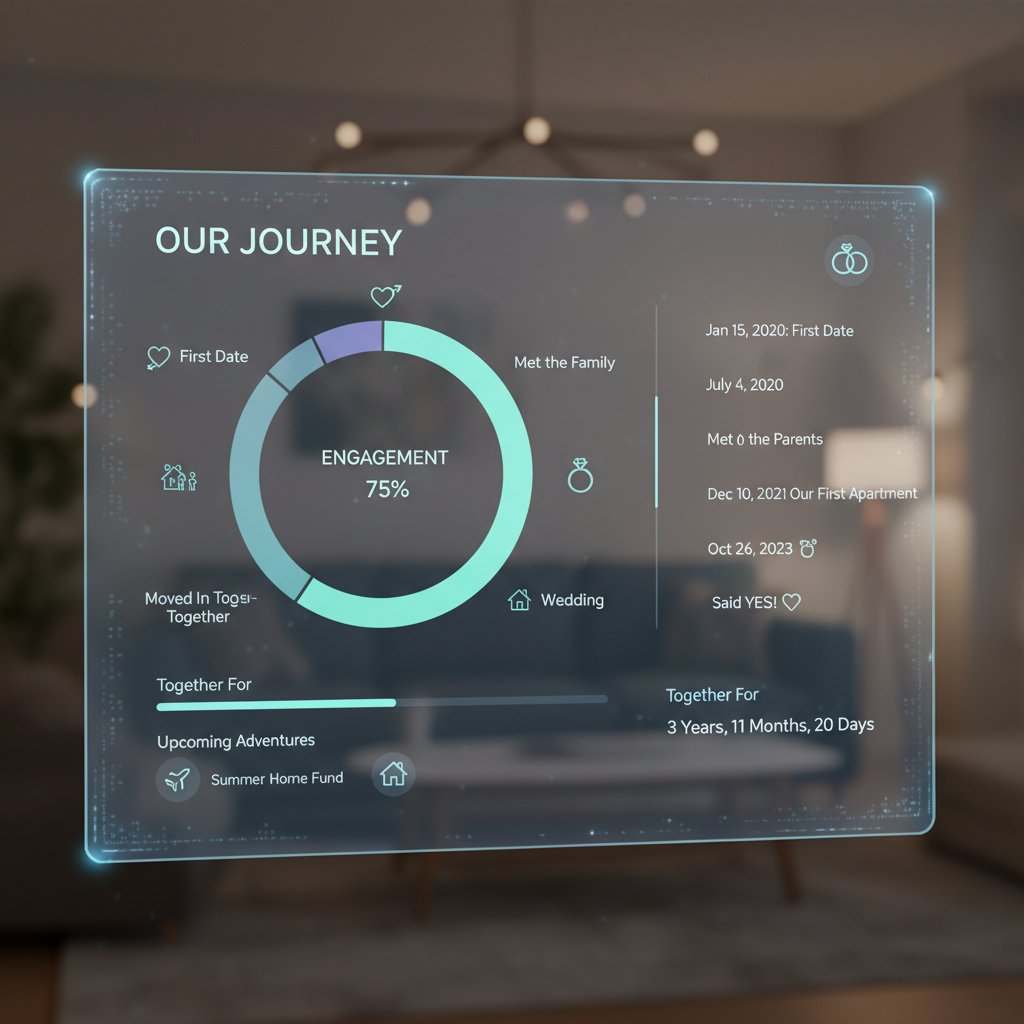
Progress isn’t just about fewer fights—it’s about deeper connection, trust, and satisfaction. Set realistic goals, track outcomes, and seek honest feedback from your partner. Use digital dashboards or journals to visualize milestones, but don’t let metrics overshadow the lived experience of love.
Beyond the screen: The bigger picture of digital connection
Digital privacy and emotional safety in relationships
Protecting your privacy online is non-negotiable. Use strong passwords, enable two-factor authentication, and be wary of sharing sensitive information—even with trusted platforms.
Privacy essentials for online relationship guidance:
- Use end-to-end encrypted messaging whenever possible.
- Regularly review privacy settings on all apps.
- Share only the necessary personal data with platforms.
- Set clear boundaries about digital sharing with your partner.
- Avoid saving sensitive discussions in cloud-based, unsecured notes.
- Educate yourself on the platform’s data storage policies.
Mental health impacts of virtual advice
Online advice can be a double-edged sword. On the upside, it can reduce anxiety by offering immediate support. On the downside, it may fuel self-doubt or increase anxiety if advice feels contradictory or overwhelming. Watch for signs of digital burnout: irritability, avoidance, or feeling “stuck” in an endless loop of advice-seeking.
To maintain balance, take regular screen breaks, diversify your sources, and prioritize self-compassion. If you notice your self-esteem dropping or anxiety rising after using guidance tools, reassess your approach and consider professional support.
The future of love: Where tech and intimacy collide
The next decade will see even deeper integration between technology and intimacy—not just in coaching, but in immersive shared experiences. Virtual reality dates, AI-assisted gift selection, and holographic “presence” are already reality in some circles. Even now, couples slip on VR headsets to watch a digital sunset together, bridging miles and emotional distance in a way that would have sounded like science fiction a generation ago.

Conclusion
As digital life becomes indistinguishable from “real” life, effective online relationship guidance is no longer a luxury—it’s the scaffolding that supports modern intimacy. The best advice isn’t just about fixing what’s broken or avoiding heartbreak—it’s about building new patterns, new rituals, and new ways of being together, online and off. Armed with these seven bold truths, you can navigate the labyrinth with eyes open, curiosity intact, and your most important relationship—your connection with yourself and others—at the center. If you’re hungry for more, explore resources like lovify.ai or trusted platforms tailored to your needs. The guidance is out there; the transformation is up to you. Digital love isn’t a myth. With the right tools and the right mindset, it’s as real—and as rewarding—as you make it.
Below is a comprehensive, structured research summary on "effective online relationship guidance," focusing on digital intimacy and trends for 2025. Each section includes key statistics, authoritative sources (with URLs), expert insights, and relevant examples or case studies.
- "Phygital romance"—blending virtual and physical interactions—is mainstream.
- Shared values matter more than shared interests for lasting digital intimacy.
- AI tools and emotional intelligence apps enhance communication and insight.
- Clear digital boundaries protect emotional well-being and trust.
- Immersive tech (VR, holograms) enables meaningful shared experiences.
- Digital intimacy is seen as complementary, not inferior, to physical relationships.
- Slow dating and intentional connection are rising for deeper emotional bonds.
- 62% of romantic relationships now begin online (Pew Internet, 2025).
- Love Rewired: The Rise of Digital Intimacy and the Future of Modern Relationships in 2025
- Digital Intimacy: Redefining Human Connections in 2025
- The Future of Intimacy: 7 Sex Trends Set to Redefine 2025
Key Insights:
- Online relationships form faster, with more choices and new pressures.
- Old-school advice overlooks digital-specific challenges: trust, communication, and rapid formation/dissolution.
- Modern love demands clear communication, adaptability, and emotional openness. Expert Opinions:
- “Modern love in the digital age challenges us to be mindful, adaptable, and courageous.” (eNotAlone) Sources:
Below is a comprehensive, structured research summary on "effective online relationship guidance," focusing on digital intimacy and trends for 2025. Each section includes key statistics, authoritative sources (with URLs), expert insights, and relevant examples or case studies.
1. Effective Online Relationship Guidance: 7 Bold Truths for Digital Intimacy in 2025
Key Truths & Trends:
- "Phygital romance"—blending virtual and physical interactions—is mainstream.
- Shared values matter more than shared interests for lasting digital intimacy.
- AI tools and emotional intelligence apps enhance communication and insight.
- Clear digital boundaries protect emotional well-being and trust.
- Immersive tech (VR, holograms) enables meaningful shared experiences.
- Digital intimacy is seen as complementary, not inferior, to physical relationships.
- Slow dating and intentional connection are rising for deeper emotional bonds.
Key Stats:
- 62% of romantic relationships now begin online (Pew Internet, 2025).
Sources:
- Love Rewired: The Rise of Digital Intimacy and the Future of Modern Relationships in 2025
- Digital Intimacy: Redefining Human Connections in 2025
- The Future of Intimacy: 7 Sex Trends Set to Redefine 2025
2. Why Modern Love Needs More Than Old-School Advice
Key Insights:
- Online relationships form faster, with more choices and new pressures.
- Old-school advice overlooks digital-specific challenges: trust, communication, and rapid formation/dissolution.
- Modern love demands clear communication, adaptability, and emotional openness.
Expert Opinions:
- “Modern love in the digital age challenges us to be mindful, adaptable, and courageous.” (eNotAlone)
Sources:
- Modern Love in the Digital Age - eNotAlone
- Modern Love: Scientific Insights from 21st Century Dating
3. Rising Relationship Challenges in a Digital World (2023-2024 Stats & Trends)
Key Stats:
- 50% of adults under 30 have used dating apps (Pew, 2023).
- Digital distractions reduce quality time; self-care and focused intimacy are trending for 2024.
Major Challenges:
- Digital interference leads to more conflict, cyberbullying, and infidelity.
- Social media/influencer culture fosters unrealistic expectations and jealousy.
- AI in dating apps reshapes matchmaking, adding new dynamics and pressures.
Sources:
4. The Myth of Universal Advice: Why Context Matters
Key Insights:
- Advice fails when it ignores unique backgrounds, needs, and cultural contexts.
- One-size-fits-all advice can be unhelpful or harmful.
Expert Quote:
- “There isn’t one-size-fits-all advice that can resolve the range of challenges people face.” (The Counselling Place)
Sources:
- The Illusion of Universal Advice: A Therapist’s Perspective
- Why Context Matters in Advice - boldwinner.com
5. The Anatomy of Effective Online Relationship Guidance
Best Practices:
- Open, honest communication and active listening.
- Emotional safety, mutual respect, and boundary setting.
- Constructive conflict management and use of digital tools.
- Personalized, evidence-based advice.
- Ongoing engagement and cultural sensitivity.
Sources:
- Secure Attachment: The Key to Building Genuine Relationships in 2025
- Should I Listen to This? Making Sense of Online Relationship Advice
6. Debunking the Five Biggest Myths
Myths vs. Facts:
- Genuine connection can't form online—False.
- Online help is less effective—False.
- Nonverbal cues are lost—False (video, adaptive techniques).
- Online intimacy is superficial—False.
- Only for tech-savvy/long-distance couples—False.
Sources:
- Debunking 5 Common Relationship Myths with Facts | Dr. Gayle Friend
- The Real Truth: Debunking 5 Big Myths About Online Therapy - Click2Pro
7. Inside the Algorithms: How Digital Love Coaching Really Works
How it Works:
- AI analyzes preferences, personality, and communication styles.
- Algorithms suggest partners/coaching strategies.
- Real-time feedback, conversation prompts, and progress tracking via analytics.
Sources:
- Digital Coaching: Reconnecting at the Hybrid Workplace - Speexx
- Love in the digital age: how technology is transforming romance
8. Case Study: From Late-Night Arguments to Lasting Connection
Example:
- Mark & Sarah overcame late-night arguments and emotional distance with integrative online counseling, focusing on communication and emotional expression.
- Evidence-based methods (e.g., Gottman Method) help transform conflict into connection.
Sources:
9. Real Talk: Success Stories and Cautionary Tales
Insights:
- Success: Couples build lasting relationships by moving carefully from online to offline.
- Caution: Deception and safety risks remain—verify identities and prioritize safety.
Sources:
- Relationship Tips: 10 Things To Keep In Mind Before Meeting Your Online Date | Zee News
- Navigating Love in the Digital Age: How Swipe Culture Shapes Us
10. Lessons from Failures: How to Course-Correct
Key Lessons:
- Prioritize self-awareness and mental well-being.
- Tailor guidance to individual circumstances.
- Use failures as learning opportunities; update guidance with feedback.
Sources:
11. Beyond Advice: The Future of Digital Intimacy
Emerging Features:
- AI companions offer personalized emotional support.
- VR/AR enable immersive, natural interactions.
- Biometric sensors and neuro-feedback deepen digital intimacy.
- Ethical concerns: Emotional displacement, empathy, and authenticity.
Sources:
- Digital Intimacy: Redefining Human Connections in 2025
- The Future of Intimacy and Assistance: The Exploding AI Companion Industry
12. Emerging Trends in Online Relationship Support (2023-2024)
Trends:
- AI-driven matchmaking and communication support.
- Focus on emotional intelligence and mental health.
- Growth of non-traditional models (platonic parenting, etc.).
- Sentiment analysis for early issue detection.
Sources:
- Social Media Relationship Statistics 2024 - Online Personals Watch
- Exploring Relationship Trends And Dynamics In 2024 - Boldsky
13. Societal Shifts: From Stigma to Status Symbol
Key Insights:
- Online relationship guidance is now normalized and even prestigious.
- Success stories and digital integration have erased most stigma.
Sources:
- Beyond Stigma: Embracing the Transformative Power of Digital Love
- This Is How Online Dating Has Changed The Very Fabric of Society
14. Comparing Platforms: What Sets the Best Apart (2023-2024)
Key Features:
- Licensed, specialized therapists or coaches.
- Flexible formats: video, phone, messaging.
- Proactive tools: digital exercises, journal prompts.
- Self-paced and joint/individual options.
- Integration of AI coaching and interactive apps.
Top Platforms:
- Ritual, OurRelationship, BetterHelp, Hey Ritual.
Sources:
- The best online couples counseling of 2024
- 5 Best Online Premarital and Marriage Counseling We Reviewed in 2024
15. Feature Showdown: AI, Human, and Hybrid Models
Comparative Insights:
- AI: Data-driven, scalable, accessible, but lacks true empathy.
- Human: Personalized, empathetic, nuanced, but less scalable.
- Hybrid: Combines AI’s efficiency with human empathy and judgment for balanced, effective support.
Sources:
- Relationship Counseling for Human-AI Relationships
- Who Provides Better Relationship Advice: Humans or AI?
This research provides a robust, up-to-date foundation for an article on effective online relationship guidance, digital intimacy, and the evolving landscape of love and connection in 2025.
Frequently Asked Questions
What percentage of relationships now start online?
According to the article, 62% of relationships begin online as of 2025, making online relationship formation the majority experience rather than the exception.
What are the main challenges that digital communication creates for modern couples?
The article identifies constant notifications, ghosting, digital jealousy, clipped text communication, and emotional disconnect as key challenges, despite couples spending more time communicating online than in genuine conversation.
How has the smartphone changed romantic relationships?
According to the article, the smartphone has not just changed how people meet, but has fundamentally reshaped romantic expectations and the way couples communicate, creating new pressures like anxiety from endless options and the stress of performing authenticity.
What emotional issues are prevalent in online dating according to the article?
The article cites loneliness, miscommunication, and burnout as rampant issues affecting people engaged in online dating and remote relationships, citing research from Vocal Media 2025.
Sources
References cited in this article
- Love Rewired: The Rise of Digital Intimacy and the Future of Modern Relationships in 2025(vocal.media)
- Digital Intimacy: Redefining Human Connections in 2025(anshadameenza.com)
- The Future of Intimacy: 7 Sex Trends Set to Redefine 2025(themodems.com)
- Modern Love in the Digital Age - eNotAlone(enotalone.com)
- Modern Love: Scientific Insights from 21st Century Dating(psychologicalscience.org)
- Frontiers: Digital Relationships(frontiersin.org)
- 10 Statistics on the Future of AI and Dating - Skim AI(skimai.com)
- The Illusion of Universal Advice: A Therapist’s Perspective(thecounsellingplace.com)
- Why Context Matters in Advice - boldwinner.com(boldwinner.com)
- Secure Attachment: The Key to Building Genuine Relationships in 2025(adamlanesmith.com)
- Should I Listen to This? Making Sense of Online Relationship Advice(psychologytoday.com)
- Debunking 5 Common Relationship Myths with Facts | Dr. Gayle Friend(drgaylefriend.com)
- The Real Truth: Debunking 5 Big Myths About Online Therapy - Click2Pro(click2pro.com)
- Digital Coaching: Reconnecting at the Hybrid Workplace - Speexx(speexx.com)
- Love in the digital age: how technology is transforming romance(leedstrinity.ac.uk)
- Counselling Case Study: Relationship Problems(counsellingconnection.com)
- Lasting Love Connection(lastingloveconnection.com)
- Relationship Tips: 10 Things To Keep In Mind Before Meeting Your Online Date | Zee News(zeenews.india.com)
- Navigating Love in the Digital Age: How Swipe Culture Shapes Us(texta.ai)
- 11 Lessons People Learnt From Failed Relationships(bonobology.com)
- 8 Lessons Learned from Failed Relationships(grottonetwork.com)
- The Future of Intimacy and Assistance: The Exploding AI Companion Industry(hulkapps.com)
- Social Media Relationship Statistics 2024 - Online Personals Watch(onlinepersonalswatch.com)
- Exploring Relationship Trends And Dynamics In 2024 - Boldsky(boldsky.com)
- Beyond Stigma: Embracing the Transformative Power of Digital Love(medium.com)
- This Is How Online Dating Has Changed The Very Fabric of Society(sciencealert.com)
- The best online couples counseling of 2024(yahoo.com)
- 5 Best Online Premarital and Marriage Counseling We Reviewed in 2024(everydayhealth.com)
- Relationship Counseling for Human-AI Relationships(johnrector.me)
- Who Provides Better Relationship Advice: Humans or AI?(toolify.ai)